






Last Updated on February 6, 2026 4:57 pm
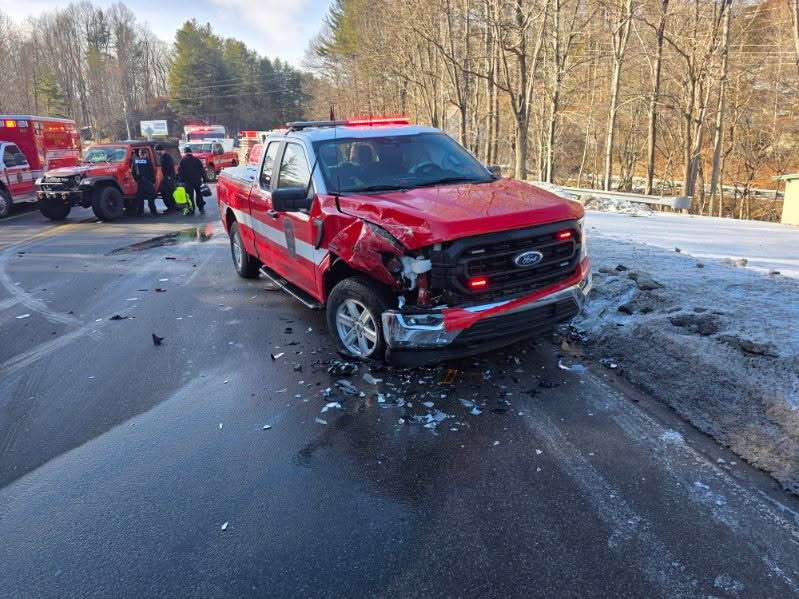
At 3:35 PM on February 5, 2026, Boone Fire was dispatched to a motor vehicle accident on US Hwy 321 South near Niley Cook Rd. The occupant of this vehicle was reported to be entrapped in the vehicle. Responding emergency services vehicles and apparatus were parked on scene to perform extrication, patient care and provide safety blocking against other traffic on the roadway. While performing duties on site, a passing vehicle lost control and collided with a Boone Fire staff vehicle parked to provide a safety zone for responders. No further injuries were reported from the secondary collision. It is estimated the fire vehicle sustained $35,000 in damages from the collision. “The vehicle that struck the fire truck was traveling directly toward the original crash and responders when the collision occurred and would have struck us had it not been for the fire truck” say Assistant Chief Mike Teague.
Every year there are thousands of accidents involving Emergency Service (Law Enforcement, Fire & EMS) vehicles when responding to emergency calls, resulting in injuries and death. According to the Federal Emergency Management Agency (FEMA), since 1984, motor vehicle collisions annually account for 25% of firefighter fatalities nationally. Across the nation and here in Watauga County emergency responders are encountering daily drivers that are unaware of what to do when an emergency vehicle with sirens and lights approaches them. Numerous times the actions caused by their lack of knowledge makes it more hazardous for the emergency responder. NC General Statute 20-157 contains the laws pertaining to driving and encountering an emergency service vehicle. This statute includes everything from what to do when an emergency vehicle approaches you, not driving over fire hose, how to pass a stopped emergency vehicle, etc. This includes the ‘Move Over” law.
Key points of the “Move Over Law” are listed below but Boone Fire wants everyone to Slow Down and Move Over. Use extra caution when approaching parked emergency vehicles. Emergency vehicles include fire, EMS, rescue and police vehicles. US Hwy 321 South between Boone, Blowing Rock and beyond gets and stays very slick during winter weather and for days following. Use extra caution and slow down as water often runs across the highway and refreezes. It is too late once you are in the middle of a curve at 50 mph and hit one of these spots.
Simple Rules
When an emergency vehicle approaches you (from either direction):
- Pull to the right and come to a complete stop.
- If driving on a high-speed road, slow down as much as possible.
- If you are in the left lane, pull into the right lane as traffic allows.
- If you are unable to move to the right, slow to a stop. This allows the driver of the emergency vehicle to know what you are doing and allows the driver to anticipate where to drive.
- On a two lane or four lane highways or street without barriers, both sides of traffic should pull to the right.
- If in a curve please drive all the way through the curve before you stop.
When passing a stopped emergency vehicle:
- Show caution if driving by an emergency service vehicle stopped within 12 feet of the roadway by moving over to create an empty safety lane to protect those working.
- Slow to a safe speed for weather and traffic conditions.
Do not:
- Do not play your radio so loudly that you can’t hear sirens or wear head phones/ear buds when driving.
- Do not pull left into the center lane when emergency vehicles are approaching.
- Do not speed up to make the green light or turn left in front of oncoming emergency vehicles.
- Do not drive through a red light or a stop sign when emergency vehicles approach from behind.
- Do not ignore the emergency vehicle by continuing to drive.
As emergency vehicle drivers, we park our vehicles on scene to provide a safety zone while we work. This helps prevent being struck by traffic. We are trained to move to the left until we find an open clear lane of travel. Therefore, by motorist moving to the right more travel lanes open for Emergency Service drivers. We are trained to stop at all red lights, wait until the intersection clears and then move through. We are extremely fortunate here in Watauga County of the rarity of collisions involving Emergency Service vehicles. We want to ultimately eliminate all accidents with Emergency Vehicles and prevent further injuries.