






Last Updated on May 11, 2026 4:24 pm
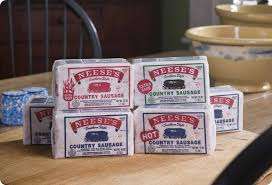
Neese's Country Sausage — a North Carolina breakfast institution for more than a century — has fully halted production at its Greensboro plant, federal officials confirmed last week. The company has offered no public explanation, and the future of the fourth-generation family business remains unclear.
The U.S. Department of Agriculture's Food Safety and Inspection Service confirmed Friday that Neese's has not requested federal inspectors at the facility. Without FSIS inspectors on site, production cannot legally continue. The agency said no additional suspensions beyond the original have been issued, but the original suspension — issued in September 2025 — remains active.
The trouble has been building for more than a year. FSIS documents obtained by the Charlotte Observer through a public records request show that environmental testing first detected Listeria monocytogenes on Neese's livermush production line on September 8, 2024. Additional environmental positives were logged September 3, 2025, prompting FSIS to issue a formal Notice of Suspension covering the ready-to-eat portion of the plant — the side that handles liver pudding and livermush.
According to a former USDA inspector familiar with the facility, the Greensboro plant operates in two separate sections. The ready-to-eat side was suspended in September 2025. The raw sausage side was initially allowed to continue. But as of last week, neither side is operating — because the company has stopped requesting inspectors altogether.
The sticking point, according to federal officials, is that Neese's has not submitted a corrective action plan that satisfies USDA requirements for restarting the suspended ready-to-eat production area. Until that plan is approved and verified, that portion of the plant cannot legally resume.
Retailers and restaurants across North Carolina began noticing the shortage during the holiday season late last year. Deliveries became sporadic, then stopped. Meat markets across the state say customers ask about Neese's products daily — some multiple times a day. One Reidsville market owner told a Greensboro television station he could sell 200 pounds a week if he could get it, and that during the holidays he limited customers to three pounds per visit to keep supply from disappearing immediately.
The company's silence has added to the uncertainty. Multiple television stations and news outlets contacted Neese's by phone, email, and in person over a period of weeks before receiving any response. The company's website returns a “404 not found” error. Google lists the business as permanently closed.
The only statement came from Tommy Neese III, who told a Greensboro television station: “I am sorry for the delay in responding. I am unable to comment at this time. As soon as I am able to do so, I will let you know.”
The timing compounds the uncertainty. Thomas Rice Neese Jr., the company's longtime president and CEO, died April 3, 2026, at the age of 92. According to his obituary, Neese spent more than six decades leading the family business his grandfather founded. J.T. Neese began selling the family's sausage from a covered wagon in Greensboro in 1917. His wife, Annie Smith Neese, later added her liver pudding recipe — which became equally popular. By 1930 the business was flourishing, and it has remained in the family through four generations since.
Neese's is known across North Carolina for its rectangular block-shaped products, its lack of artificial additives and fillers, and a recipe lineup that has remained largely unchanged for decades. Beyond country sausage and liver pudding, the company's products include livermush, scrapple, souse, and bacon — all made at the single Greensboro facility.
WFMY News 2 reported activity at the Greensboro plant as recently as May 8, though no statement from the company followed.
Whether Neese's intends to resume production, resolve the federal compliance issues, or close permanently has not been announced. The USDA said it will not allow the suspended ready-to-eat production area to restart until it verifies that corrective actions meet federal food safety standards.