







Last Updated on November 2, 2026 8:30 am
The punishing rains. The record-breaking flooding. Hurricane Helene was a geologic event that scarred entire landscapes throughout western North Carolina forestlands.
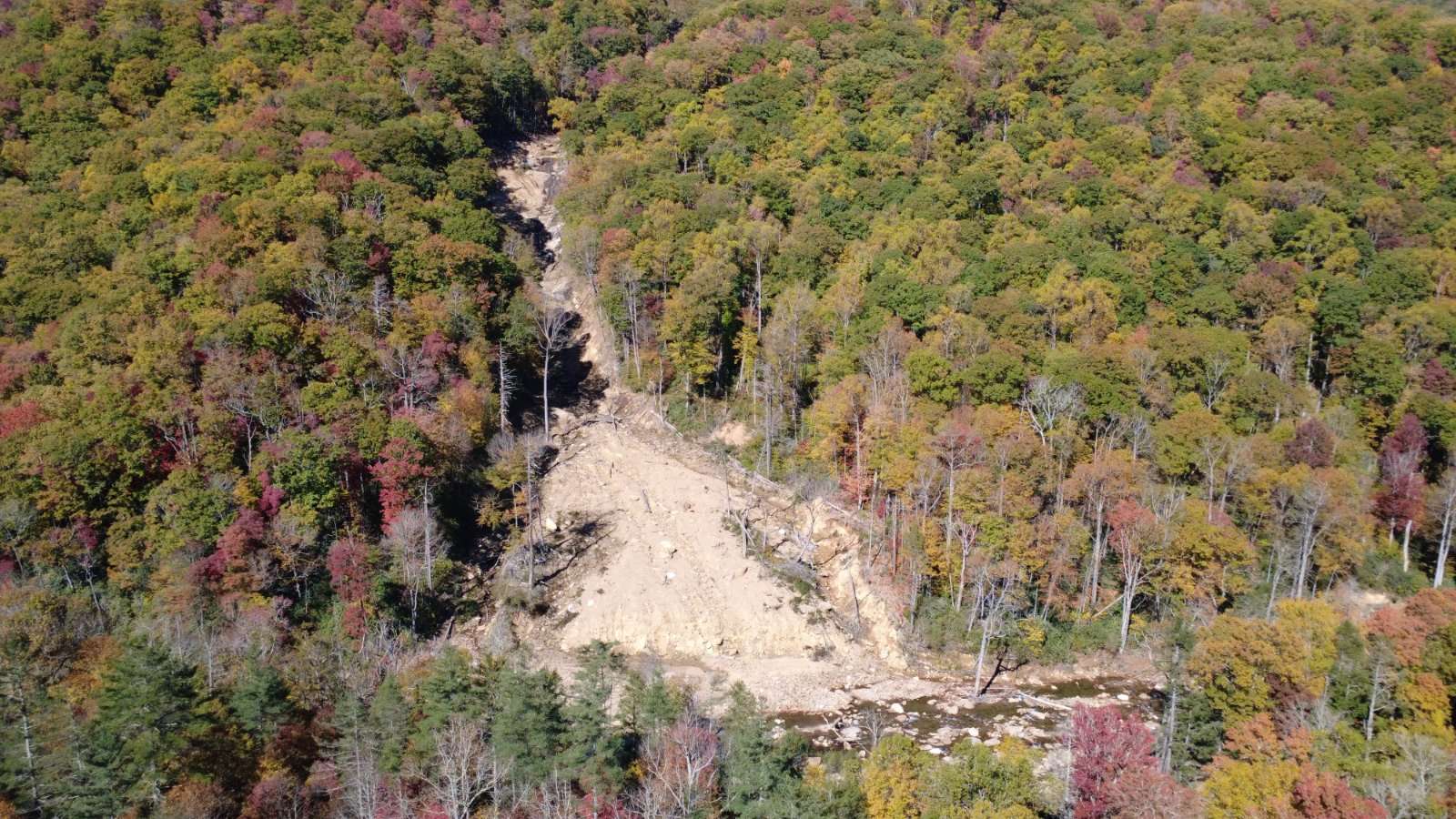
Across several areas of the Pisgah National Forest, those scars remain visible: landslides, stripped-bare riverbanks and debris flows that pose a significant risk to vulnerable watersheds, aquatic habitats and aquatic species.
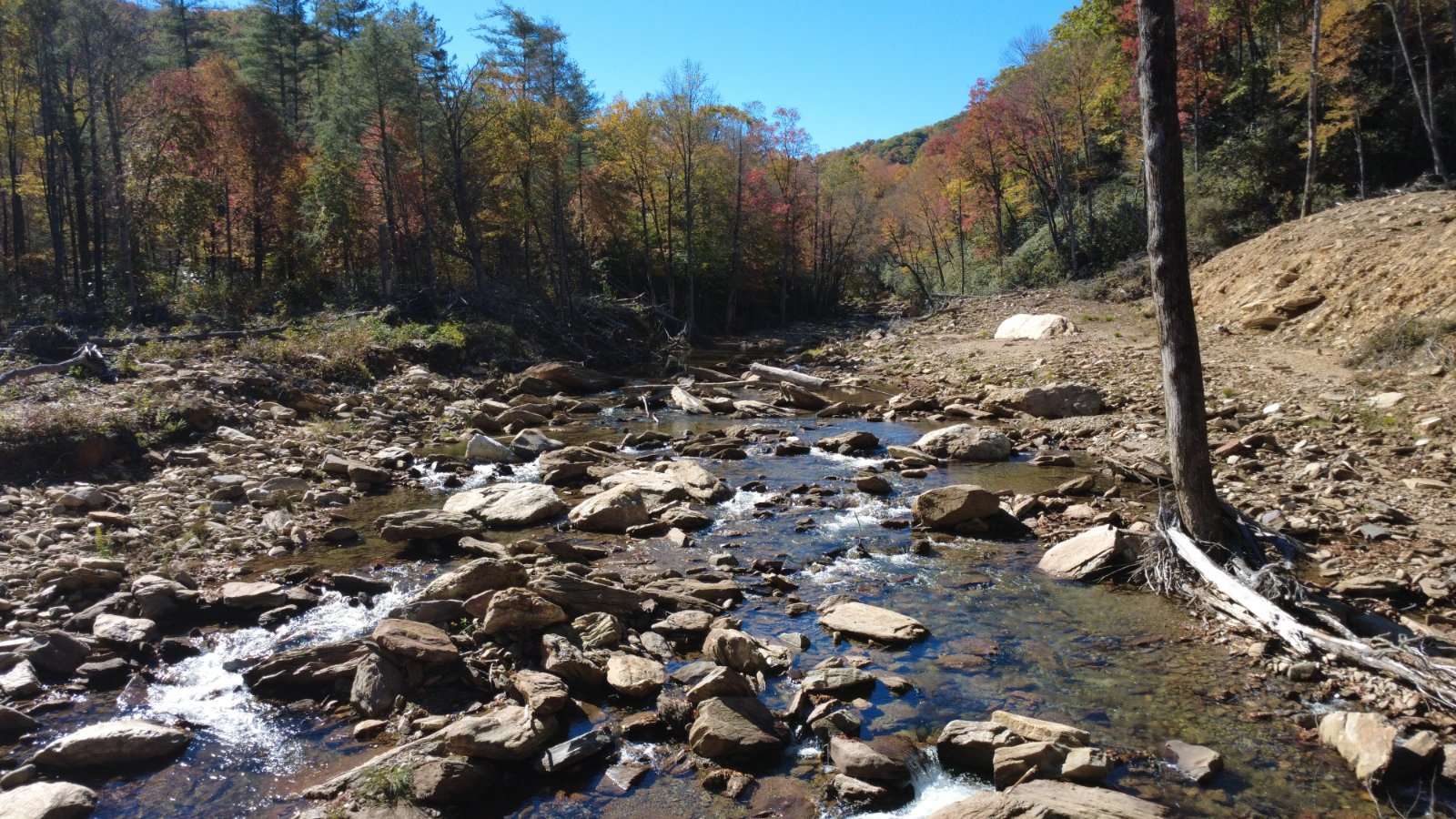
In response to these unprecedented changes, helicopters will drop around 10 tons of native seed mix onto the Pisgah National Forest this fall. The drops will seed hundreds of acres of forestland and are part of an ongoing effort in partnership with the National Forest Foundation to use native vegetation to restore landslide damage and Helene-scoured areas along streams and rivers.
Native plant seeding will discourage invasive plant species, fight erosion, improve water quality, support aquatic species and restore waterways.
“Our efforts with this seed drop are designed to restore areas where Helene made unprecedented changes to the landscape, making a place for invasives to gain a foothold,” said Marietta Shattelroe, a National Forests in North Carolina botanist who helped design the seed mix. “Over hundreds of acres of forest, we want to help native plants establish before non-native plant species invade. These native plants will help hold the soil in place, reducing the erosion that harms water quality.”
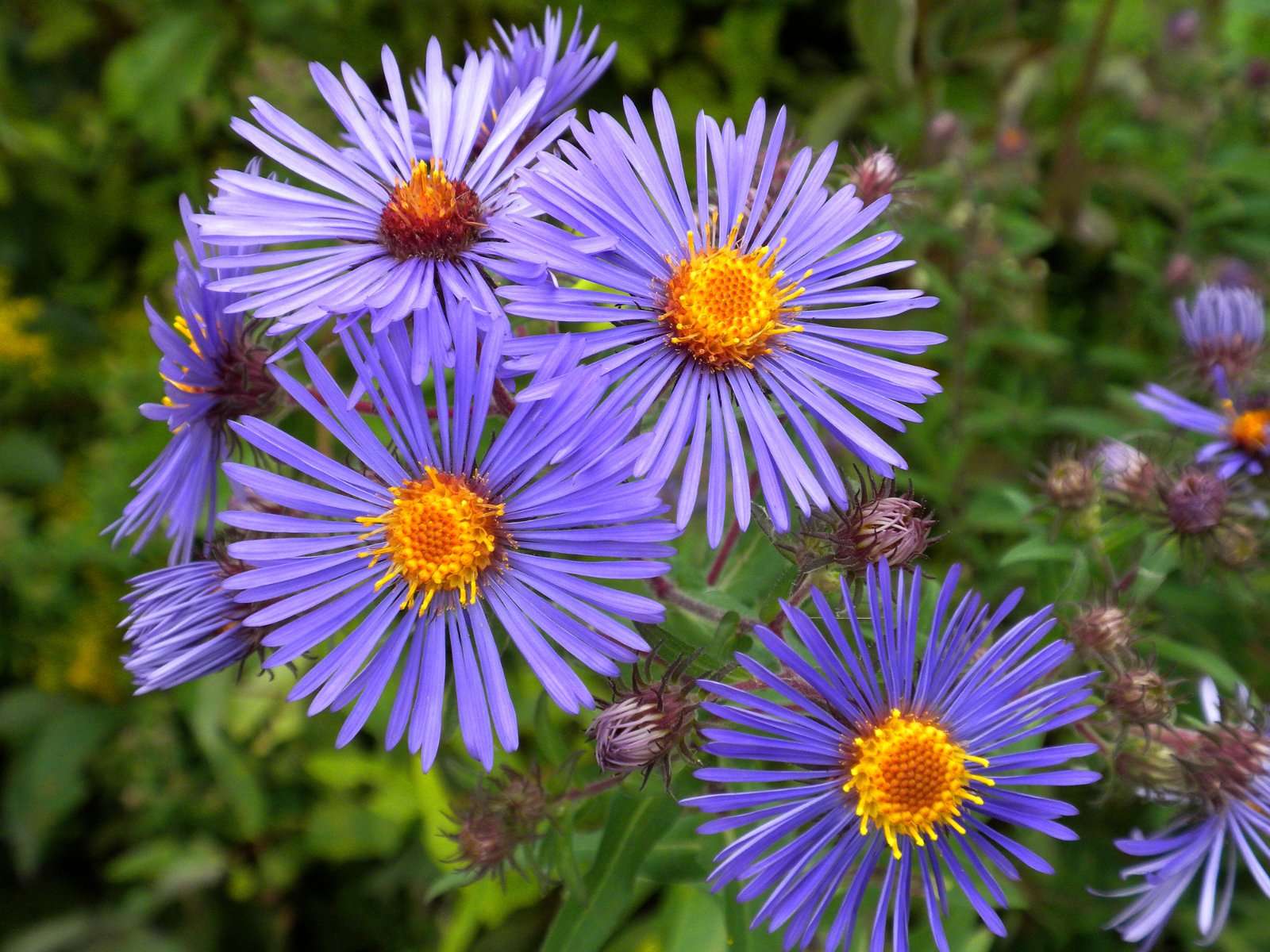
Forest Service biologists worked with partners to design two custom mixes of ecologically appropriate seed for this effort: one specifically for landslide areas and another for river and stream banks. The mixes include many of the usual suspects commonly seen on western North Carolina riverbanks: native grasses (river oats, little bluestem grass), wildflowers (purple New England aster, ironweed, bee balm) and more than a dozen others.
Seed list:
- Virginia wildrye
- Creeping red fescue
- Beaked panicgrass
- Indiangrass
- Big bluestem grass
- Little bluestem grass
- Purple top grass
- Nimblewill grass
- Partridge pea
- Black locust
- Slender mountain mint
- Large coreopsis
- Showy goldenrod
- New England aster
- False indigo bush
- Yellow wild indigo
- Browntop millet (introduced species)
- Bottlebrush grass
- River oats
- Deer tongue grass
- Upland bentgrass
- White snakeroot
- Bergamot
- Showy tickseed
- Sneezeweed
- Yellow wingstem
- False sunflower
- Ironweed
- Narrow-leaf sunflower
The storm’s unprecedented, historic winds and rainfall across the southern Appalachian Mountains caused more than 2,000 landslides in western North Carolina. The seed drops are designed to support recovery in scoured areas like this. As native plant and tree seeds sprout and grow, they restore natural beauty and ecological health.
“These are the areas we are working to restore,” Shattelroe said. “The bare, rocky inclines where landslides ripped plants and soil away, and the banks of rivers and streams where rushing water did the same kind of damage.”
Many of these landslide sites remain bare soil and, in some upper portions, are reduced to bedrock.
“These disturbed areas have the highest susceptibility to invasion by invasive plant species,” Shattelroe said. “While it seems counterintuitive to seed these large areas that appear to be bare rock, there are still crevices with soil where unwanted seeds can take root, crowding out the beneficial native plants we want to encourage.”
Invasives like Japanese spiraea, kudzu, knotweed and tree of heaven can easily overtake native plants in ravaged areas like this. Given the opportunity, they swiftly outcompete native vegetation, dominating understories and changing the landscape—and the species diversity that lets our native plants and animals thrive.
The Forest Service is fighting this with aerial drops over 900 acres (700 landslide acres; 200 river and stream bank acres) still vulnerable more than two years after Helene.
Why the wait? Shattelroe said the planning process alone for a project this size takes more than a year. Steps in a massive effort like this include collecting data, mapping landslides, designing and purchasing seed mixes, and completing the contract process to deliver more than 10 tons of seed and disperse it via helicopter over carefully selected areas.
“We made sure to include as many acres as possible for efficiency,” Shattelroe said. “We want to seed large swaths of land at once.”
Here are five reasons why dropping 10 tons of native seed by helicopter helps our forests recover:
1. Improves soil: The mixed native plant seeds (a variety of grasses and wildflowers) include a smaller percentage of a fast-growing cover crop, millet. Short-lived millet serves as a “nurse species,” helping the soil retain rainwater and nutrients and adding healthy organic matter back to barren, ravaged areas.
Nurse species like millet support recovery without interfering with long-term species diversity.
2. Controls erosion and reduces sediment: Too much sediment from erosion can harm a river’s health. This sediment does more than just cloud the water. It can bury the habitat of bottom-dwellers like freshwater mussels and hellbenders, our giant salamanders, and fill or cover the sand and cobble (smaller rounded rocks) spaces on the riverbed many aquatic species use for hunting, nesting and more.
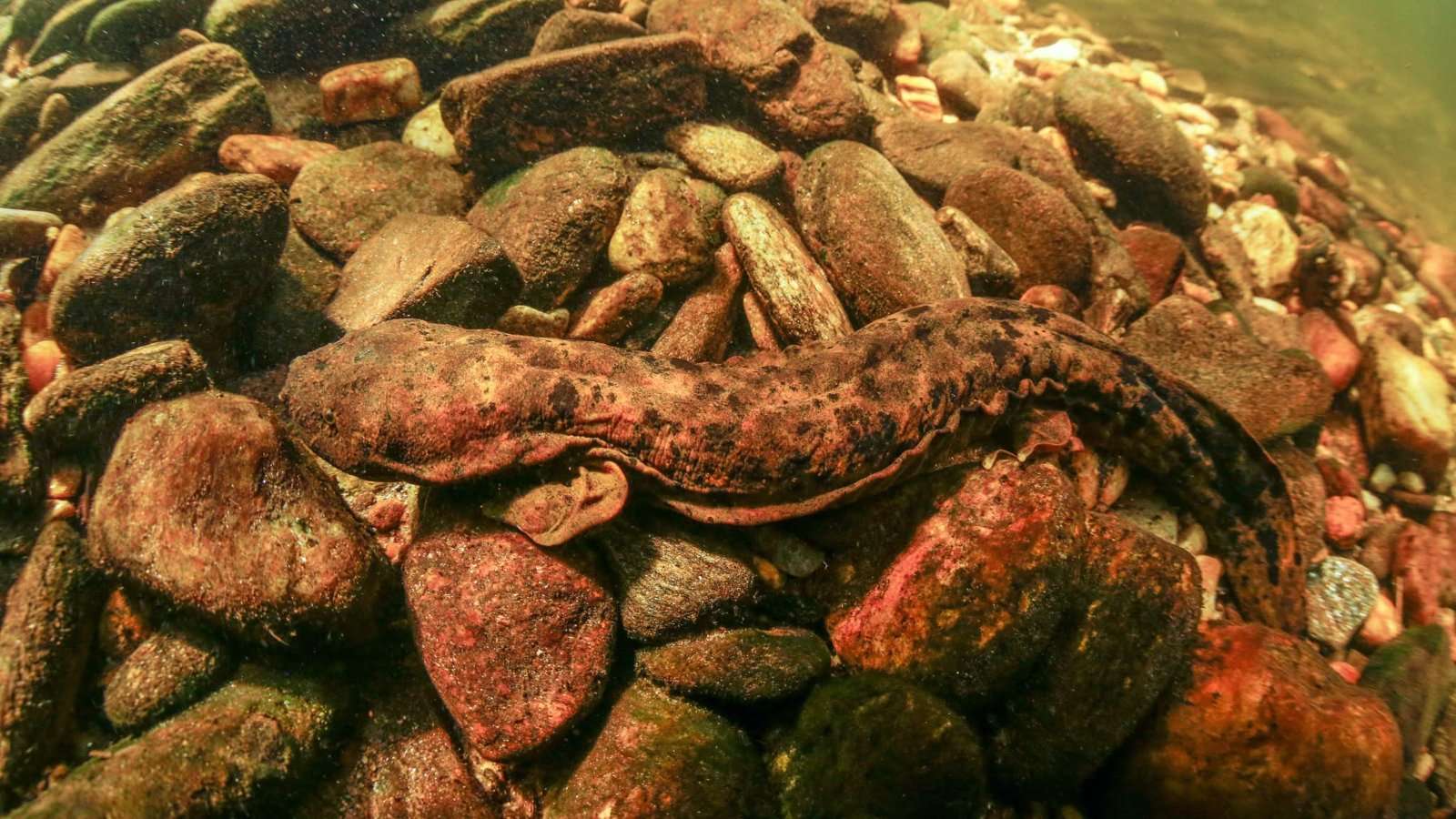
As native plants establish, their above-ground biomass and roots act like a net, anchoring the soil and preventing sediment from entering rivers and streams. Healthy vegetation along rivers and streams is vital to the overall health of both waterways and the aquatic species they host.
To measure the river’s turbidity, or cloudiness, caused by sediment, The Nature Conservancy and partners placed instruments both above and below a large landslide on the South Toe River. Turbidity increases when storms wash soil into waterways.
“These measurements are helping us understand the threat the landslide poses to the aquatic environment,” said The Nature Conservancy’s Freshwater Restoration Specialist Lucie Law. “They establish a baseline that helps us determine how different interventions are reducing sediment.”
The Nature Conservancy will also monitor seeded areas to track revegetation progress. We’ll use this data to guide future efforts as we continue to restore waterway ecosystems and water quality after Helene.
3. Restores the tree canopy: Helene damaged tens of thousands of acres of forestland, disrupted the normal life cycle of trees, tore down mature native hardwoods and brought invasive seed to exposed areas ripe for an invasive takeover.
Post-storm conditions favor undesirable invasive trees and aggressively growing natives. These seed drops are part of active forest management efforts to restore and maintain the healthy species diversity that has existed here for millions of years.
4. Reduces invasives: After major storms, fast-growing invasives like knotweed and kudzu can outcompete native plants, especially on exposed, bare soil, like landslide sites and damaged river and stream banks.
Seeding native vegetation back into scoured areas gives it a chance to reestablish before invasives take hold.
5. Restores wildlife food & habitat: These seeds and plants support a healthy, diverse native ecosystem by helping native species reclaim their places. The plants we seed will provide nesting and cover for birds, host butterfly larvae and feed the small mammals that in turn feed our owls, foxes, bobcats and other valuable native predators.
The odyssey of 10 tons of seed from a regional vendor to our forests is another step forward in the long-term recovery of the land after Hurricane Helene.