






Last Updated on November 22, 2026 7:19 am
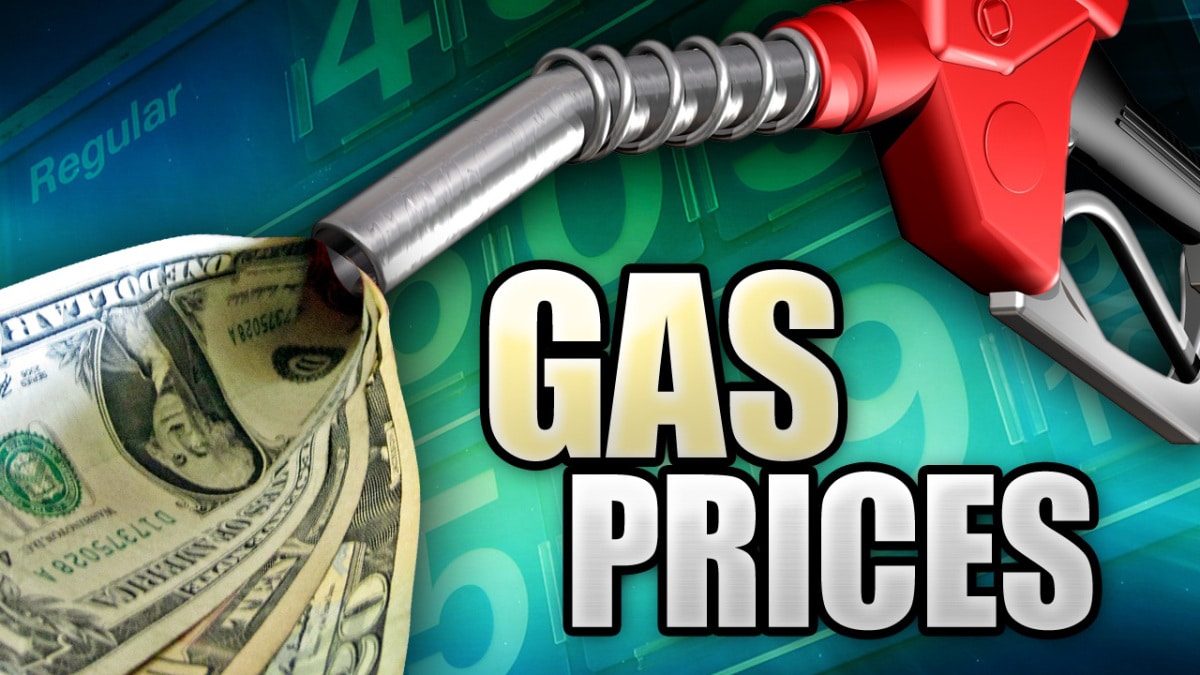
RALEIGH, N.C. — North Carolina’s 41-cent-per-gallon gas tax holiday is set to expire after Nov. 30, and lawmakers did not extend it before leaving Raleigh. Drivers will likely start paying the tax again Dec. 1.
The Republican-led General Assembly approved the suspension in October with bipartisan support, and Gov. Josh Stein signed it into law Oct. 9, when the statewide average for regular gasoline was about $4.09 a gallon. The bill also required fuel companies to pass the savings on to consumers.
The tax helps pay for state transportation projects, so the pause was covered with money from the state’s Stabilization and Inflation Reserve rather than the Department of Transportation’s budget. Estimates of the lost revenue have ranged from roughly $300 million to $360 million.
When legislators returned to Raleigh for a lame-duck session Nov. 17, they adjourned without extending the pause.
Senate leader Phil Berger, R-Rockingham, said he sees no reason to change course. House Speaker Destin Hall, R-Caldwell, said prices have been improving on their own and that the holiday helped, said the House will keep monitoring the market, and did not rule out revisiting the issue in the coming weeks if prices rise sharply.
Democrats opposed an extension. Sen. Lisa Grafstein, D-Wake, said gas prices are already falling and questioned whether the state can afford another suspension. Rep. Robert Reives, D-Chatham, who is expected to become House speaker next session, voted for the original pause but has not said whether he supports extending it.
What to expect at the pump
The statewide average had fallen to about $3.08 a gallon by Nov. 17, roughly 50 cents lower than a month earlier.
When the tax returns, analysts say prices could climb by as much as 40 cents per gallon within days. The increase is likely to show up gradually, since stations may keep selling fuel they bought before the tax came back. Some estimates put the statewide average as high as $3.49, depending on how much of the savings stations passed on.
The 41-cent state tax is expected to return Dec. 1 unless lawmakers act before then.