






Last Updated on November 16, 2026 7:20 am
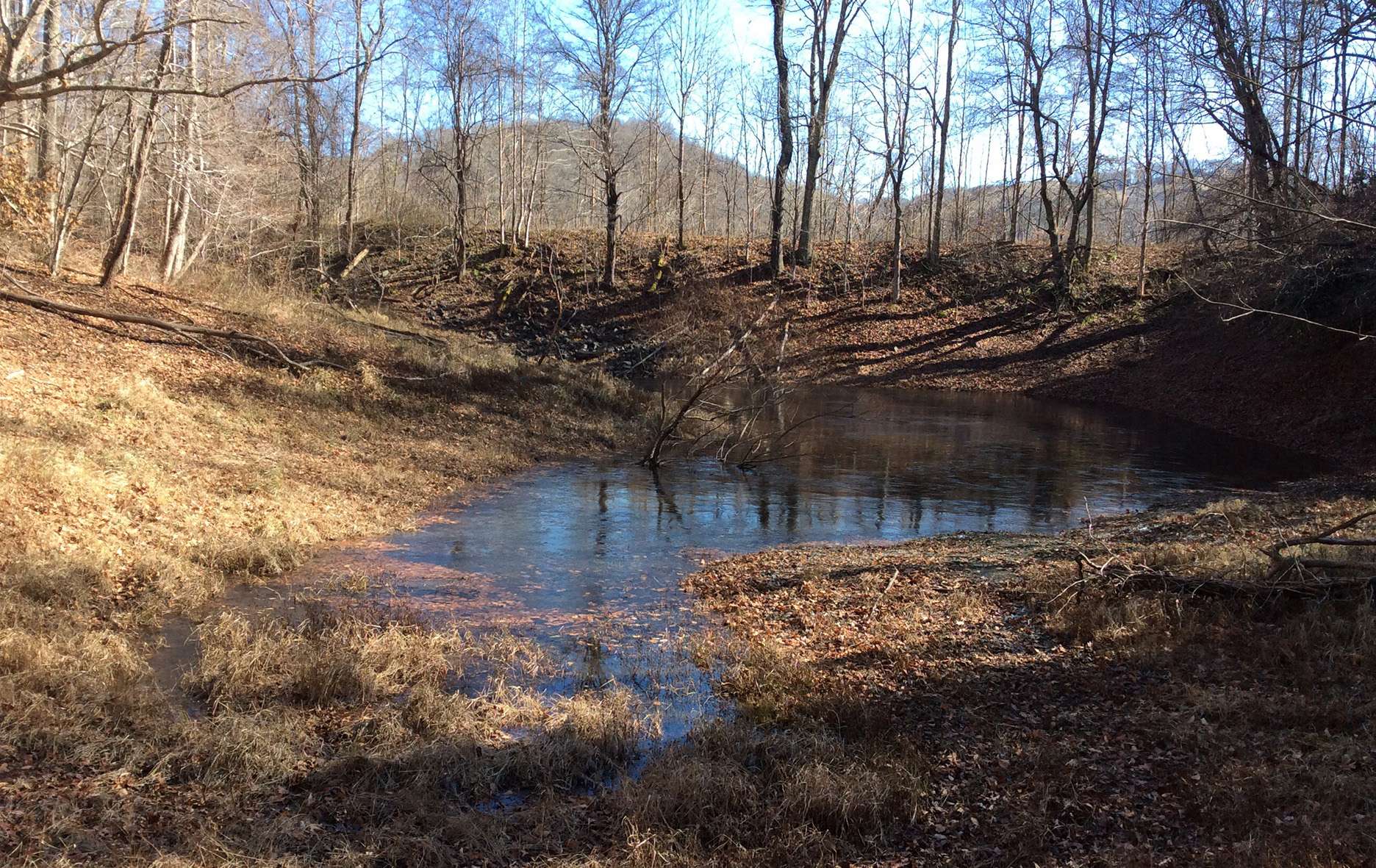
Southern Appalachian Highlands Conservancy (SAHC) has purchased 320 acres just south of Elk Park in Avery County that include the site of the historic Cranberry Iron Mine, now home to hibernating bats.
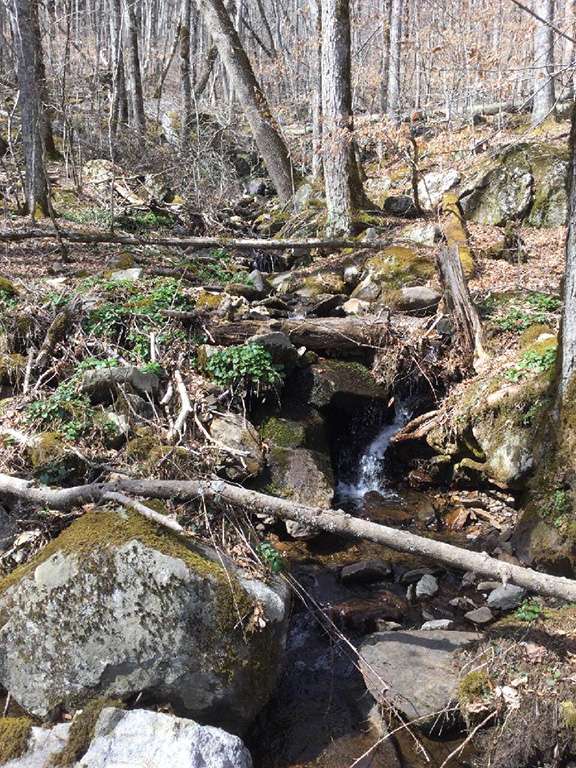
The property’s western boundary runs along a ridgeline reaching about 3,900 feet. Tributary streams and a 0.4-mile segment of Cranberry Creek, a wild trout stream, cross the land.
A mine turned bat refuge
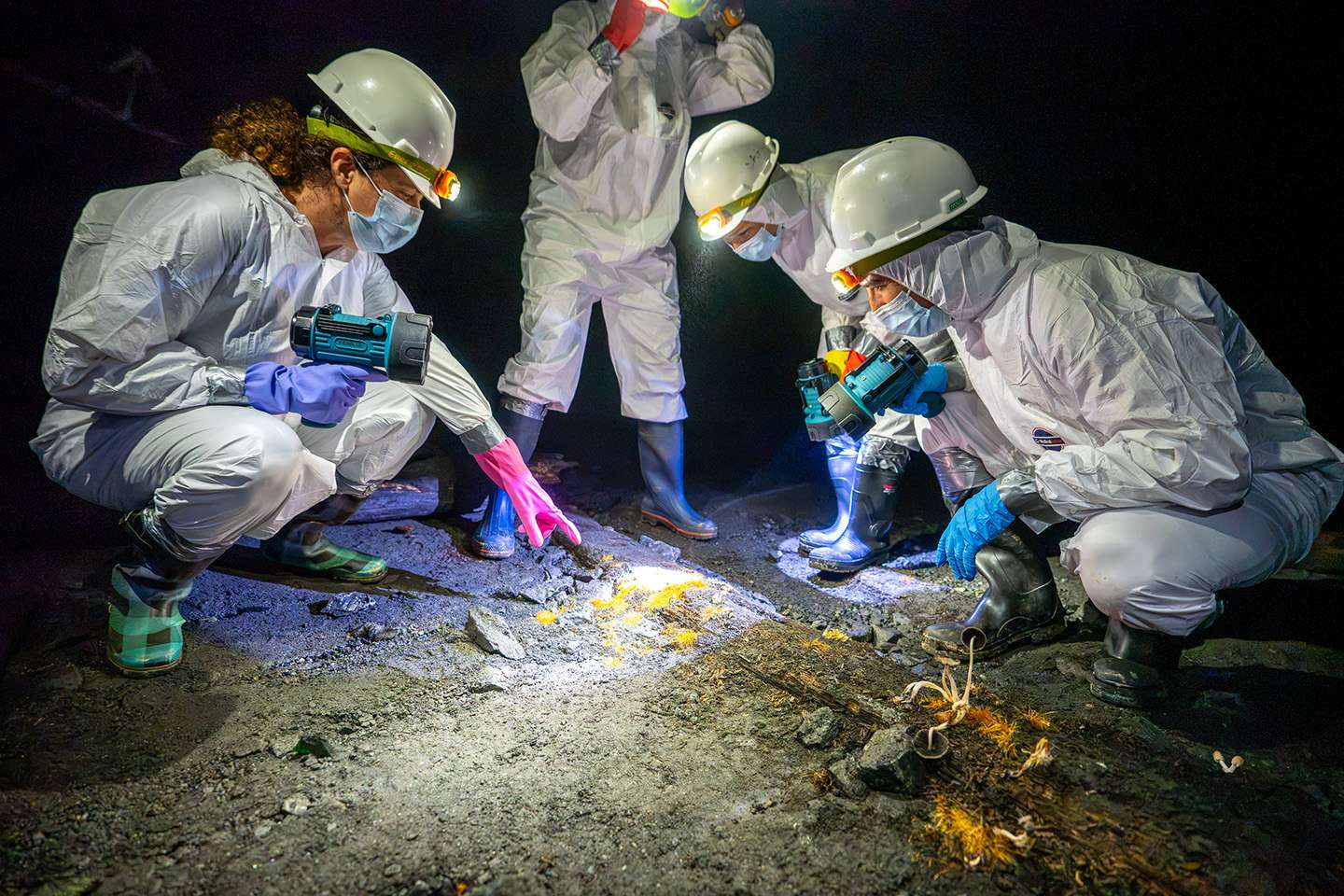
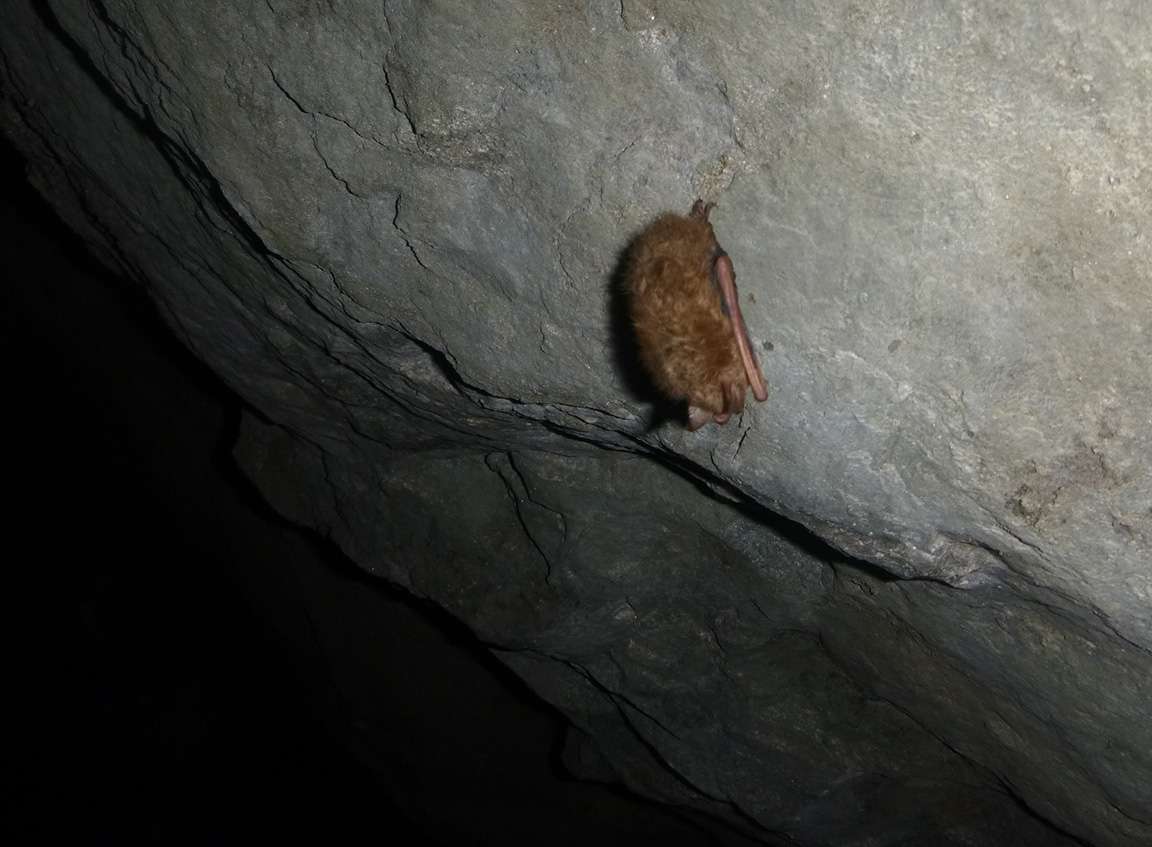
The tract was mined for iron ore from around 1826 until the 1930s, with operations intensifying after the Eastern Tennessee and Western North Carolina Railroad, known as the “Tweetsie,” reached the area from Johnson City in 1882. Underground corridors in the abandoned mine now provide habitat and hibernation sites for five bat species: Virginia big-eared, tri-colored, little brown, big brown and northern long-eared bats, including rare and endangered species.
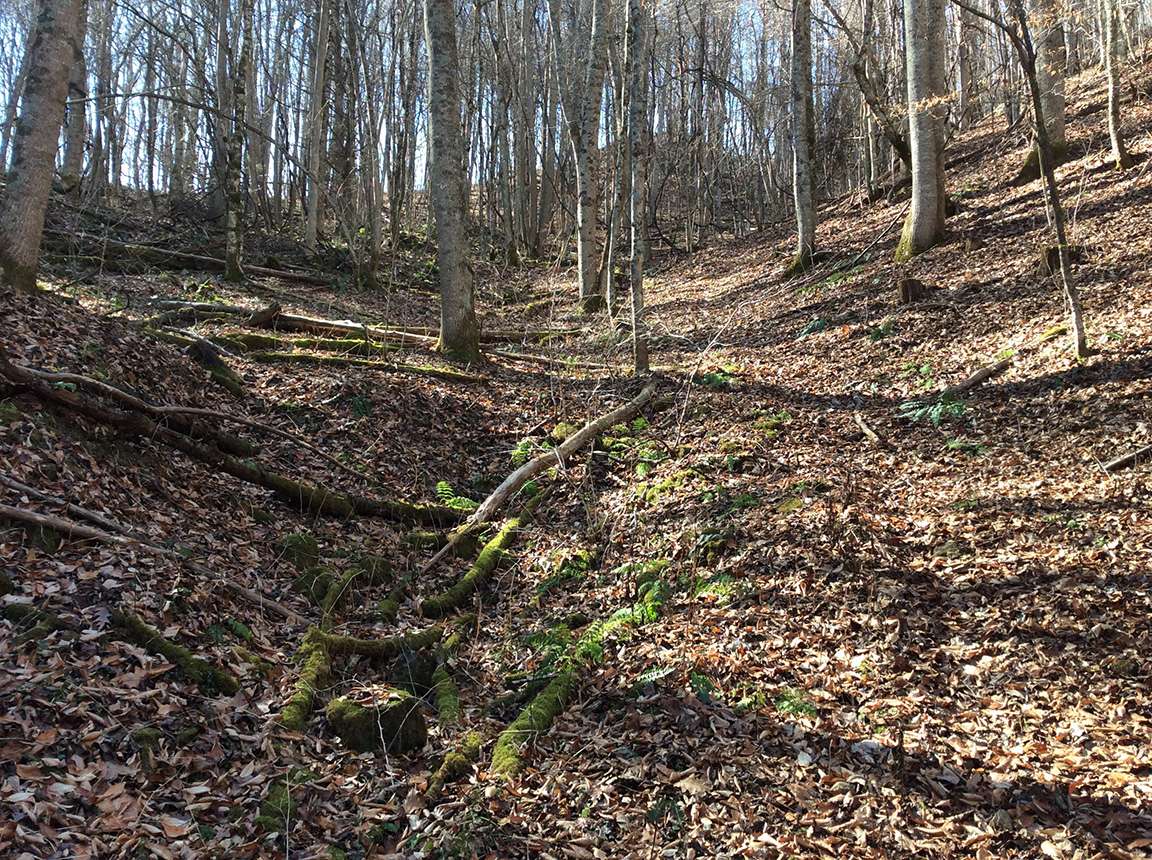
In 2002, the N.C. Wildlife Resources Commission bought the mineral rights and obtained a donated conservation easement to protect the hibernating bats. That easement still allowed timber harvest, and the forest was substantially logged between 2008 and 2010, SAHC said. The conservancy’s purchase adds protection for the forest, streams and surrounding land, and SAHC plans to manage the regrowing forest for long-term health and wildlife habitat.
Closed to the public
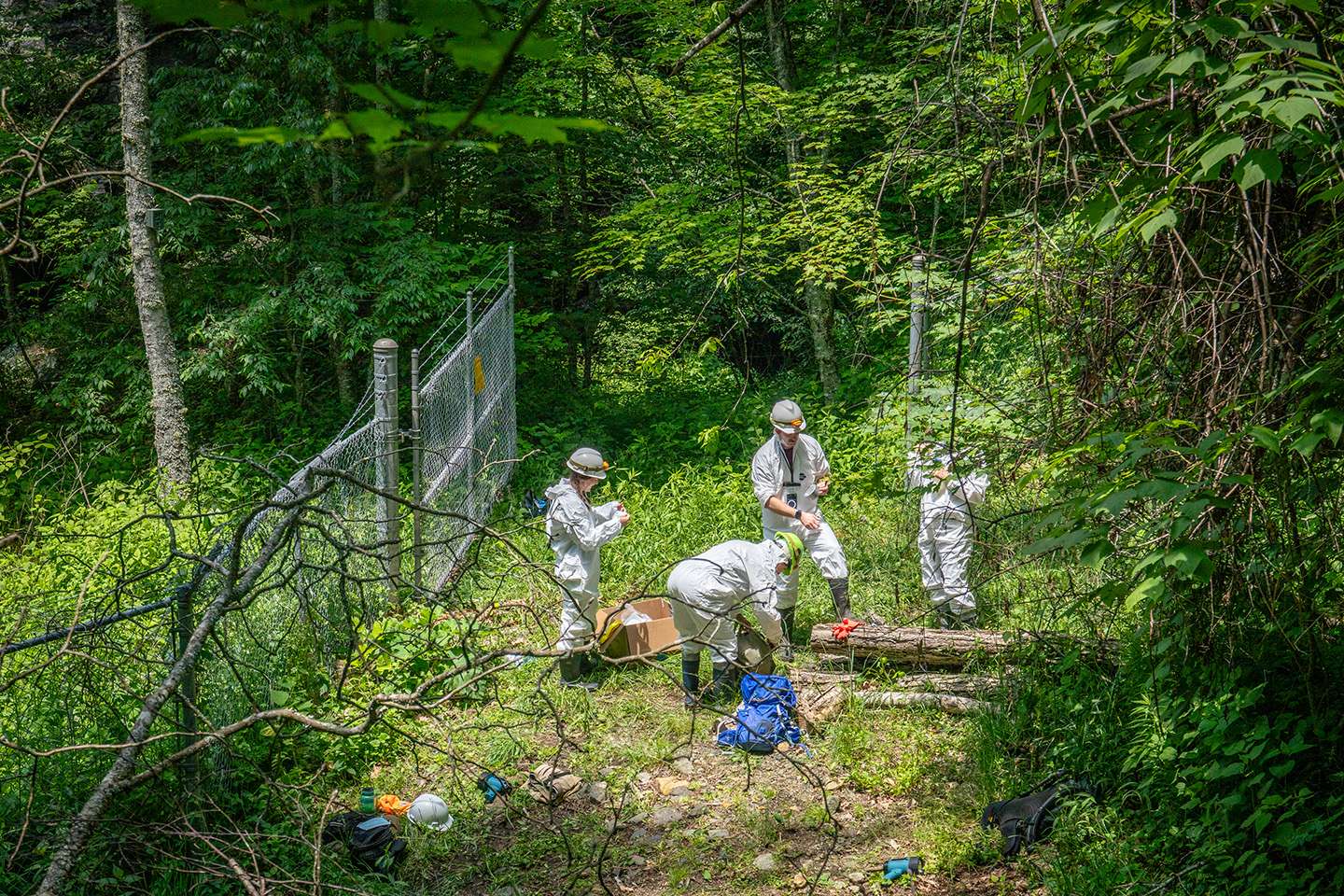
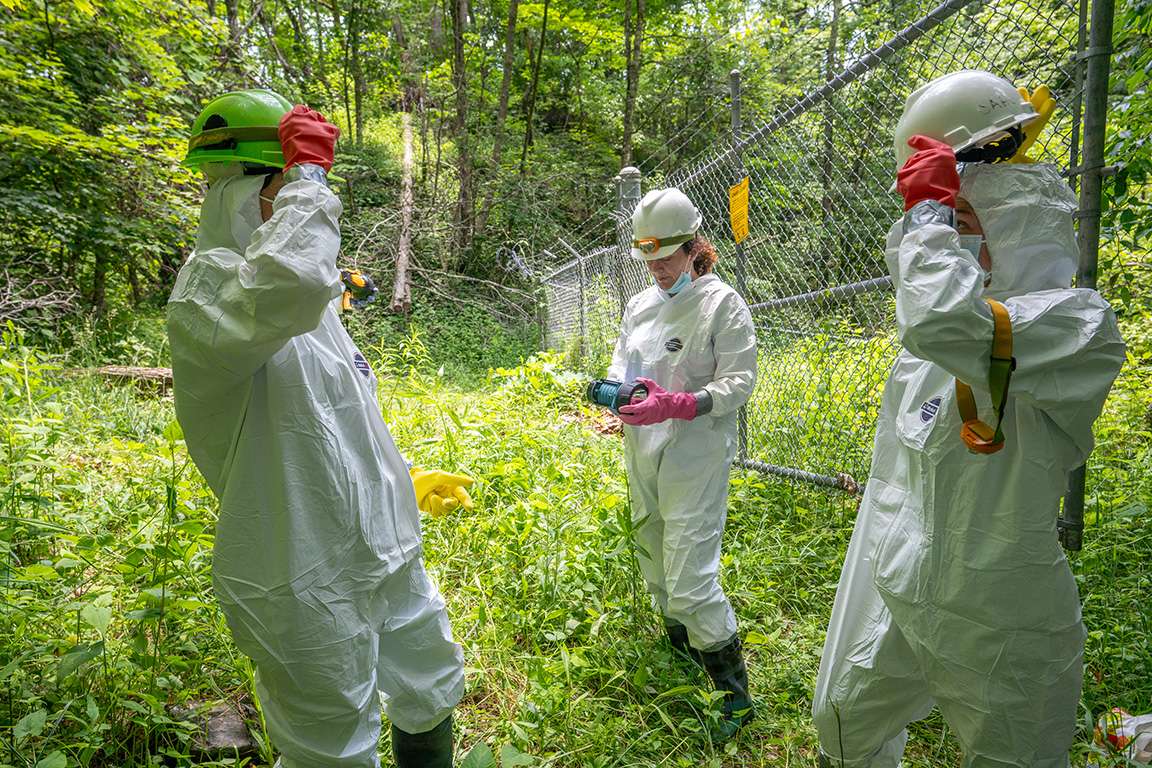
The Wildlife Resources Commission and the U.S. Forest Service built steel gates at the mine entrances that let bats come and go but keep people out. Visitors can spread white-nose syndrome, a fungal disease that has killed millions of bats since it was first detected in the U.S. in 2006 and was found in North Carolina in 2011.
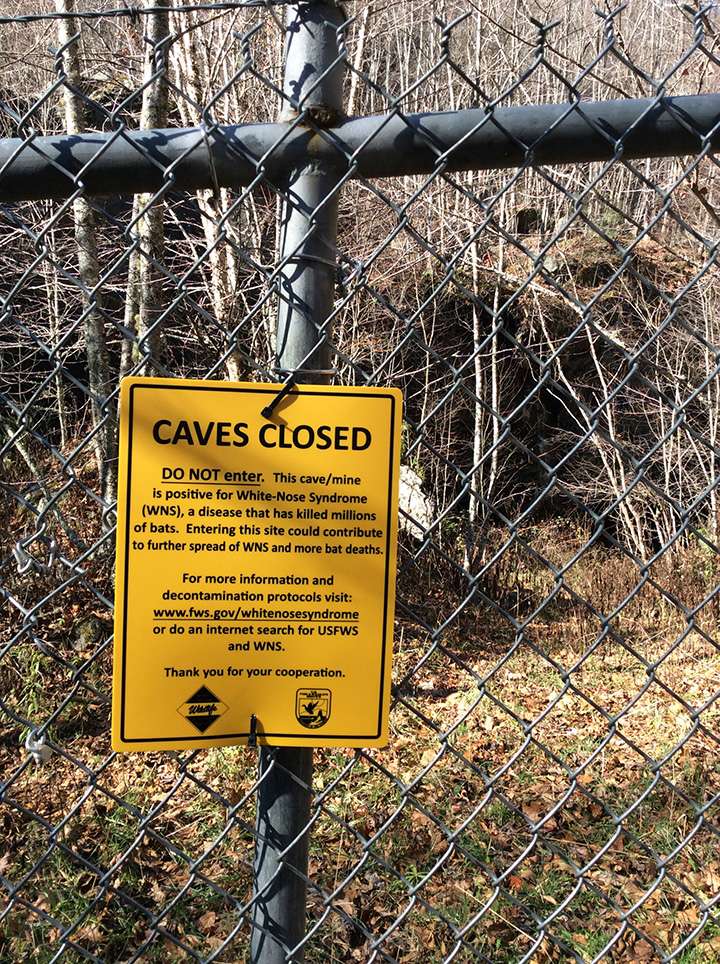
“NCWRC has erected clear fencing and signage to let people know that the area is permanently closed to the public,” said Marquette Crockett, SAHC’s Roan stewardship director. SAHC and the commission are working to resolve trespass on the property, and the conservancy said it may study recreation opportunities in other parts of the tract later.