






Last Updated on July 5, 2026 2:58 pm
MITCHELL COUNTY — A conservation organization has protected 54 acres of highland terrain along Little Rock Creek in the Roan Highlands, preserving habitat for endangered bats and imperiled fish in a watershed that sustained heavy damage during Hurricane Helene last fall.
The Southern Appalachian Highlands Conservancy announced Monday the acquisition of the parcel, which sits adjacent to the organization's existing Little Rock Creek Preserve and reaches ridgeline elevations of 3,900 feet visible from the Appalachian Trail. The land lies within the Grandfather-Unaka Priority Amphibian and Reptile Conservation Area, a region identified by wildlife biologists as critical for protecting rare and declining species.
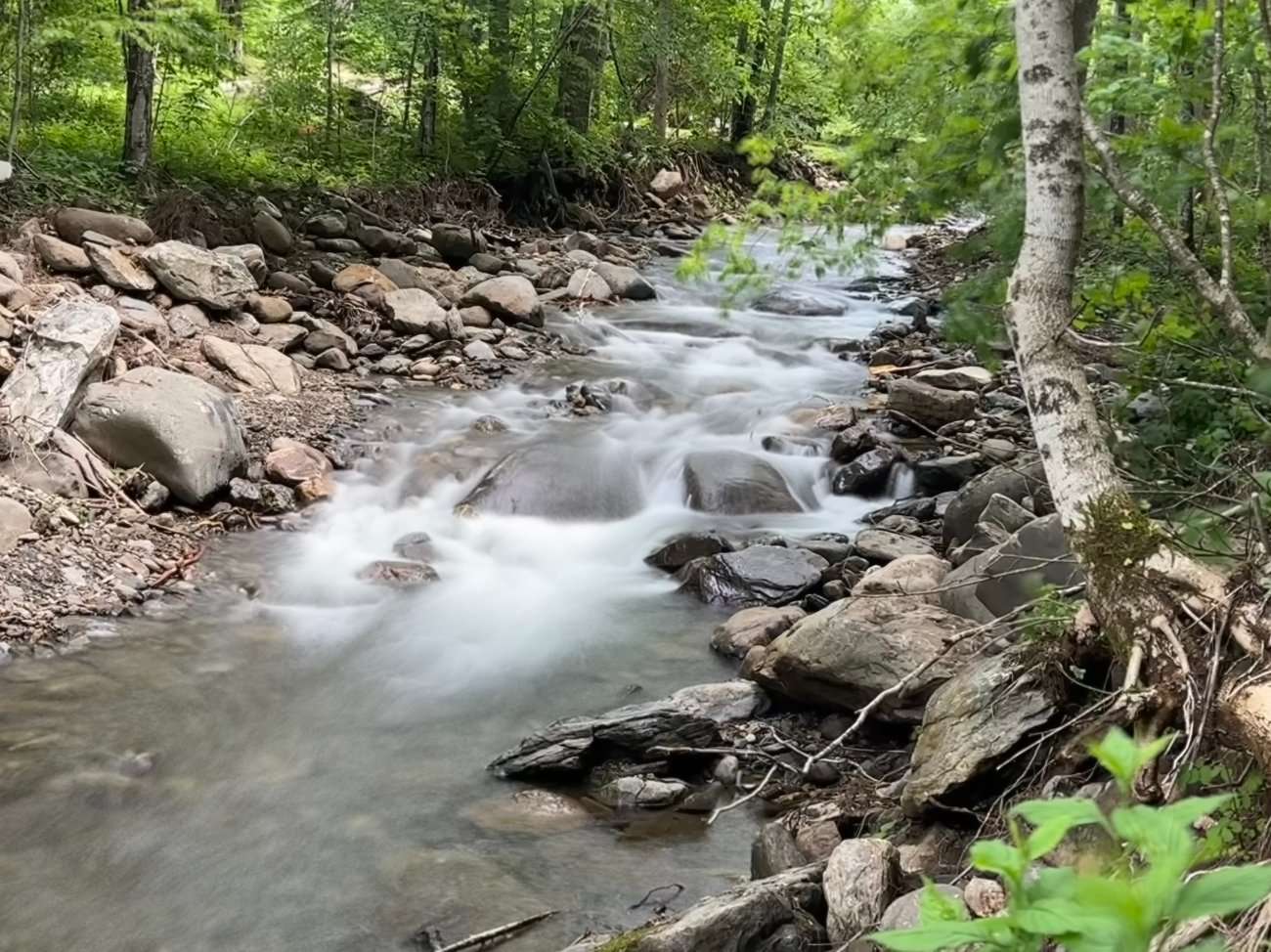
Little Rock Creek is designated by the NC Department of Environmental Quality as both a Trout Water and a High Quality Water, reflecting exceptional water clarity and cold-water habitat. The creek and its surrounding slopes provide range for the Indiana bat, listed as federally endangered under the Endangered Species Act.
“This acquisition strengthens one of the most ecologically significant corridors in the southern Appalachians,” said Angela Shepherd of SAHC. “Connecting it to our existing preserve means we now protect a continuous stretch of this critical landscape.”
The protection carries added urgency given the Roan Highlands region's experience with Hurricane Helene in September 2024. Little Rock Creek was among the waterways hit hard by the storm, which caused catastrophic flooding across western North Carolina. The recovery of the watershed's natural systems depends in part on intact forests and undisturbed headwaters — precisely what the new acquisition helps secure.
The Roan Highlands, straddling the Tennessee-North Carolina border east of Elizabethton, Tenn., and south of Boone, are known for one of the largest natural rhododendron gardens in the world and expansive grassy balds along the Appalachian Trail ridgeline. The area draws thousands of hikers annually and anchors the region's outdoor recreation economy.
SAHC has protected more than 80,000 acres across the southern Appalachians since its founding. The organization works with willing landowners and government partners to acquire and manage conservation easements and fee-simple properties.