







Last Updated on October 8, 2026 6:46 pm
LINVILLE, N.C. – Each September, staff and volunteers at Grandfather Mountain, the not-for-profit nature park run by the Grandfather Mountain Stewardship Foundation, come together for Hawk Watch. This vast citizen-science project counts and identifies the numerous species of raptors during their annual migration to warmer climates – and Grandfather Mountain’s results are in for 2026.
Raptors are birds of prey, such as hawks, eagles, owls and vultures. The telltale signs of the raptor are sharp talons, a hooked upper bill and keen eyesight. While some raptors remain in place during winter, most will travel south where food is more abundant.
This September saw the second-lowest tally on record, with a total of 2,128 raptors recorded overhead. The previous lowest count was recorded in 2021 with 1,185 migrants, while the highest was 2015 with 10,723. Over the last 10 years, September has averaged 4,561 spottings. Broad-winged hawks continue to be the most-counted species, as they have been since the mountain’s first Hawk Watch in 2008. The busiest day this year was Sept. 25 with 1,041 birds recorded, and the second busiest day was Sept. 20 with 298.
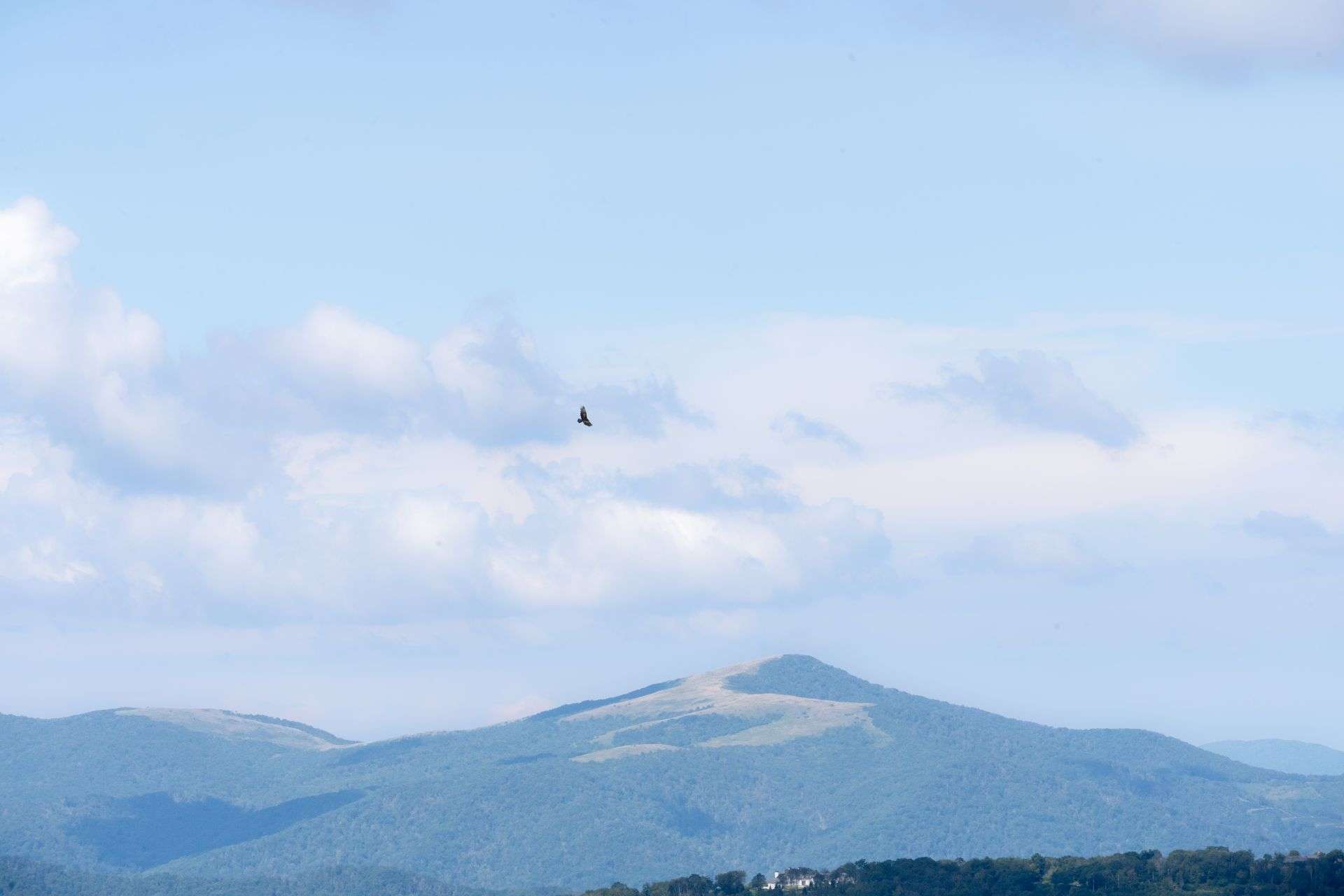
This year’s below average totals are likely not due to populations dwindling, but rather due to those populations shifting westward during migration – out of range from the mountain’s counters. Raptor migratory routes are normally dense in Western North Carolina, but this year, those dense spots shifted to central Tennessee.
“It’s not something that I’ve seen before,” said Jesse Pope, president and CEO of the Grandfather Mountain Stewardship Foundation. “It’s likely due to the weather. While the month of September saw fairly average conditions, we had a series of storms that rolled right over the Appalachian Mountains during peak migration week toward the end of the month. Most broad-winged hawks fly through during that week.”
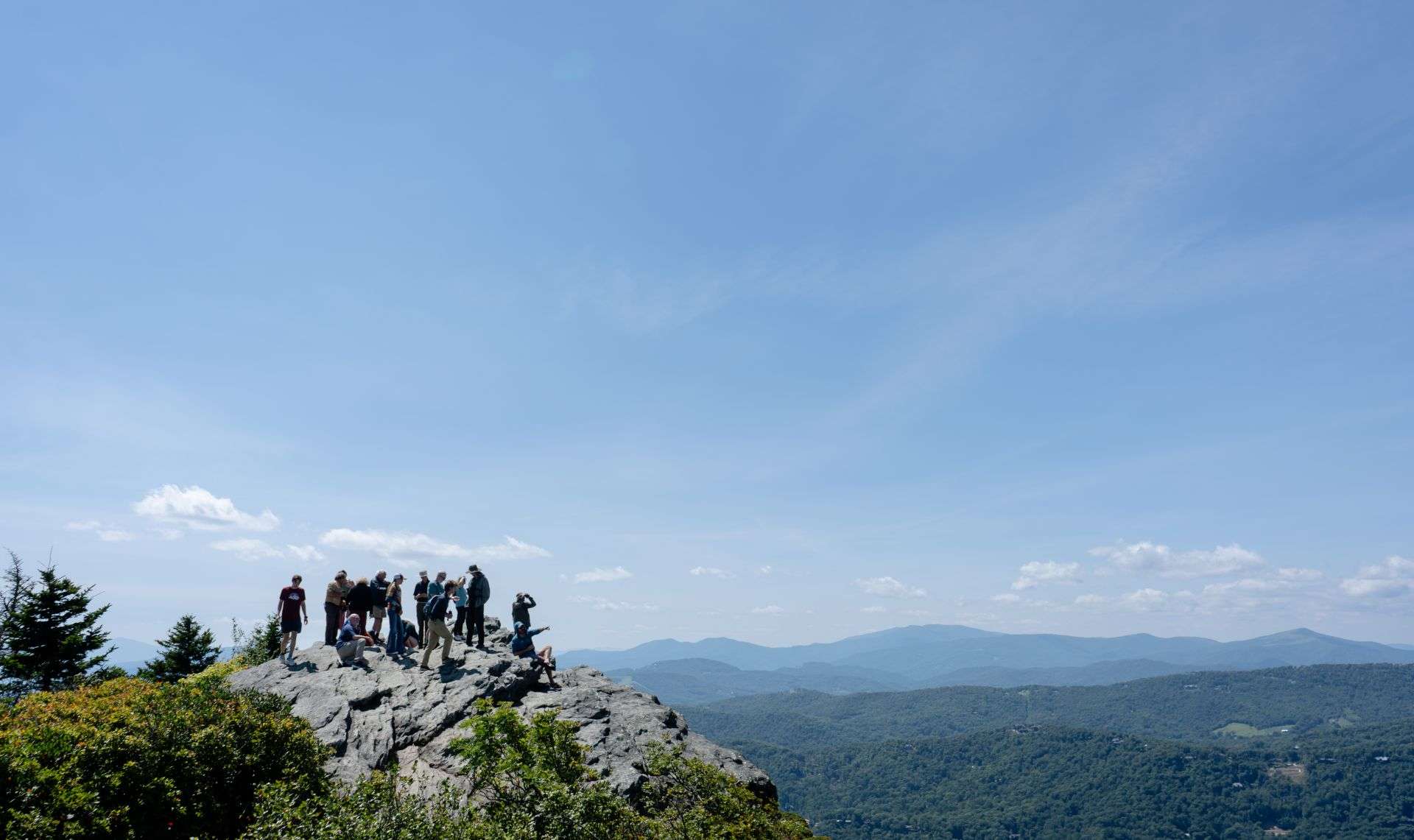
Grandfather Mountain is one of more than 300 Hawk Watch sites officially designated by the Hawk Migration Association of North America. It is a prime spot for viewing raptor migration, as it sits along the eastern escarpment of the Appalachian Mountains. Its rocky peaks generate strong thermal uplifts and allow for excellent visibility.
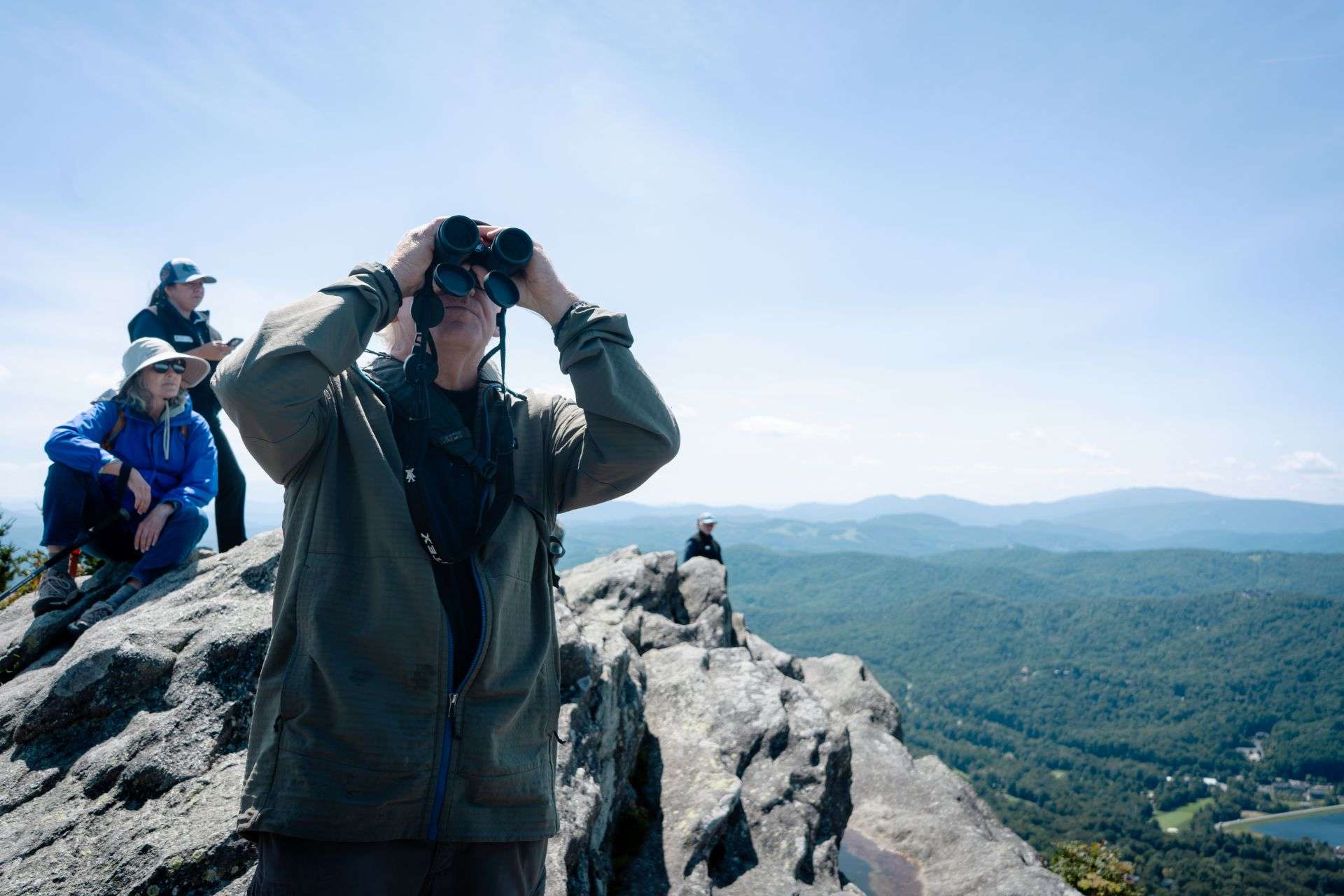
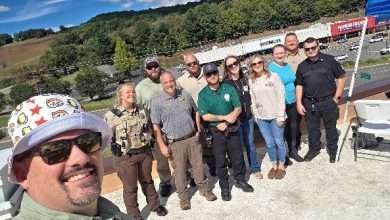
Official counters were present on the mountain each day in September from 9 a.m. to 5 p.m., except for Sept. 23 when the mountain experienced inclement weather. 2026 Hawk Watch volunteers and staff totaled 225 observation hours this September. The stunning spectacle is viewed each year from locations on Linville Peak and Half Moon Overlook.
“Just seeing a thousand hawks fly by over the course of an hour or a day is almost magical,” said Will Bennett, research coordinator for the Grandfather Mountain Stewardship Foundation. “Even on slow days, there’s always something interesting to look at. This year we recorded our first Mississippi Kite; it put on a show for us for almost 30 minutes before a storm blew in. But it was the only raptor we saw all day, save a single vulture. You just never know what you’re going to see!”
Aside from offering quite a show for observers, Hawk Watch serves an important purpose – cataloging large quantities of data over an extended period of time. The annual counts from Grandfather Mountain and other locations help track hawk populations and migration routes, and from this long-term data, researchers can examine birds’ migratory patterns and determine how external factors, such as climate change, may be affecting them.
“With almost fifteen years of data collection, we’re starting to see notable trends,” Bennett said. “Eagles, for instance, are increasing; we set our season record of 97 last year. And most other species seem to be relatively stable. Without sites like Grandfather Mountain counting every year, we could be losing species without knowing it.”
To learn more about Hawk Watch at Grandfather Mountain, visit www.grandfather.com/hawk-watch.
To view more data from this year’s Hawk Watch, visit www.hawkcount.org/grandfathermountain.
The nonprofit Grandfather Mountain Stewardship Foundation strives to inspire conservation of the natural world through education, exploration and example. For more information, visit www.grandfather.com.